Author: Jade Black

  • How to Reprogram Your Brain and End Self-Sabotage Habits for Good

    How to Reprogram Your Brain and End Self-Sabotage Habits for Good

    The Neuroscience of Self-Sabotage: Why You’re Addicted to Staying the Same

    You’re not lazy. You’re not broken. You’re not unmotivated.

    But your brain? It’s addicted to familiarity. And that’s exactly why you keep falling into self-sabotage habits, even when you say you want change.

    Let’s cut through the noise. Self-sabotage habits aren’t about willpower, laziness, or not wanting it bad enough. It’s biology. It’s your nervous system doing its job, to protect you, even when it’s protecting the wrong things.

    This is the truth most personal development content won’t tell you: change is a neurological threat.

    Your brain is wired for one thing: survival. Not growth. Not goals. Just survival. When you try to do something new, start that business, set boundaries, speak on stage, your nervous system doesn’t see ambition. It sees danger. Even if the thing you’re trying to do is good for you, it’s unfamiliar. And unfamiliar equals unsafe.

    This is where self-sabotage habits sneak in: not because you’re weak, but because your brain is strong at one job, keeping you alive by keeping you the same.

    That’s why your big plans fall flat. Your habits backslide. Your motivation fades. Your subconscious is running the show, and it’s addicted to comfort.

    Why Self-Sabotage Habits Feel So Hard to Break

    Here’s the kicker: your brain craves dopamine. It wants that instant hit of reward and relief. New habits that require long-term payoff? They don’t give your brain the hit it wants.

    Scrolling your phone, eating junk, procrastinating—those behaviours do. So even if you consciously say “I want to change,” your biology’s screaming, “Let’s do what’s easy. Let’s do what we know.”

    The result? You sabotage the very routines that would build your future. Not because you hate yourself, but because your brain is prioritising short-term comfort over long-term change.

    Your current behaviours are backed by deeply grooved neural pathways—habitual brain circuits that fire automatically. Think of them like walking a familiar path through the woods. It’s easy, automatic, and feels safe.

    Trying to change your habits? That’s like carving out a brand-new trail. It takes effort. It feels awkward. It requires conscious intention. Unless you rewire those pathways, you’ll keep walking the same route. Even if it leads nowhere.

    The Emotional Cost of Staying the Same

    Here’s a brutal truth: the brain will choose known pain over unknown potential. That’s why you stay in bad relationships, toxic routines, or self-defeating thought loops. They’re familiar. And your brain equates familiar with safe—even if it hurts.

    This is why self-sabotage habits can feel so emotional. It’s not just a thought pattern—it’s a nervous system reaction. You’re not failing because you lack desire. You’re stuck because your body doesn’t feel safe to change.

    Staying the same might feel easier, but it’s costing you your confidence, clarity, and potential. Every time you betray your future self to stay comfortable, your self-trust erodes. Your identity starts to shrink to fit your fear.

    And deep down, you feel it—the resentment, the regret, the quiet ache of “I’m meant for more, but I don’t know how to change.”

    This is where shame sneaks in. And shame is the glue that holds sabotage in place.

    How to Break Self-Sabotage Habits and Rewire Your Brain

    Now for the good news: your brain can change. Neuroplasticity means those old neural grooves can be reshaped. But it takes more than motivation—it takes identity work, safety, and conscious repetition. Here’s how:

    1. Create Psychological Safety

    Change doesn’t happen in chaos. Start by regulating your nervous system. Breathwork, grounding, and slow intentional routines signal to your body: “We’re safe. We can grow.” Use the Self-Sabotage Pattern Breaker Worksheet to start identifying the chaos triggers in your daily life.

    2. Use Identity Anchors

    Stop focusing on what you want to do and start focusing on who you’re becoming. Ask: “What would a high performer choose today?” Make decisions from that future self now. The Future You Blueprint can support this shift.

    3. Celebrate Micro Wins

    Every time you resist sabotage and make an aligned choice, anchor it. Celebrate it. This creates a new dopamine association with growth instead of avoidance.

    4. Interrupt Familiar Patterns

    When you feel the pull to sabotage, pause. Breathe. Ask: “What’s familiar about this? What am I trying to protect myself from?” Awareness disrupts the autopilot.

    5. Repeat to Rewire

    Rewiring isn’t sexy, it’s consistent. Repetition carves new neural paths. Don’t wait to feel ready. Choose who you are becoming and act like it daily. Use the Personal Development Plan for Lasting Growth to track your rewiring process.

    You’re Not Addicted to Failure. You’re Addicted to Familiarity.

    That’s the bottom line. You don’t sabotage because you’re broken, you sabotage because you’re programmed. But programming isn’t permanent.

    Your identity is not fixed. Your habits aren’t destiny. Your future isn’t out of reach. You just have to make safety your foundation and build from there.

    Because success isn’t just about effort. It’s about alignment. It’s about becoming the person who can hold what they desire.

    If this resonated, it’s because the best version of yourself is already calling you forward, and you’re ready to answer. Identity isn’t found. It’s built by those willing to stop waiting and start leading.

    Before you go, make sure you head over to my blog page and check out the Free Downloads section. You’ll find powerful, no-cost resources designed to kick-start your Future You Identity transformation, including the Future You Blueprint and the Self-Sabotage Pattern Breaker for lasting growth, and so much more.
    Follow me on Instagram and TikTok if you’re ready to rewire your identity for power, success, and self-trust, because surface-level growth won’t cut it anymore.

  • You Don’t Find Yourself, You Build Yourself. Here’s How To Start.

    You Don’t Find Yourself, You Build Yourself. Here’s How To Start.

    The Myth of “Finding Yourself” (and Why It Keeps You Powerless)

    Everyone talks about “finding themselves” like it’s some magical moment that falls out of the sky. But what if I told you the truth? The best version of yourself isn’t hiding somewhere, you have to build it.

    For years, personal development culture has sold the idea that the real you is buried inside, just waiting to be found. It sounds poetic. Yet it’s a trap. Instead of building momentum, you stay stuck searching. Instead of taking action, you hesitate.

    The harsh truth? You are not a lost cause. You are a blank canvas. The best version of yourself is not lost, it’s waiting to be created. Therefore, chasing yourself keeps you powerless. Choosing to build yourself gives you control. Identity Is a Decision, Not a Discovery

    Your identity isn’t something you stumble across. It’s something you decide, every single day. Thus, if you want different results, you must build a different foundation internally before anything external can change.

    You don’t find confidence. You build it. You don’t find leadership. You practise it. The best version of yourself will not appear just because you’re patient. It will appear because you made different choices.

    How to Start Building the Best Version of Yourself

    Let’s cut the fluff. Here’s how you actually start constructing the identity that matches your ambitions.

    1. Define the Best Version of Yourself (with Ruthless Specificity)

    Vague identities create vague results. You must define the best version of yourself like your life depends on it — because it does. Ask yourself:

    • How does my future self think when faced with fear?

    • How does my future self act when no one is watching?

    • What emotional standards does my future self live by?

    Be brutal in your honesty. Moreover, make sure you describe behaviours, not just dreams. Because clarity creates speed.

    2. Break Your Emotional Addiction to Old Patterns

    Old versions of you feel safe because your brain rewards familiarity. It’s chemical, not logical. Every time you repeat a habit that keeps you small, you get a hit of emotional comfort. That’s why change feels so wrong at first, not because it’s bad, but because your nervous system craves what it knows.

    Therefore, building the best version of yourself will feel like withdrawal. Expect discomfort. Welcome it. Discomfort is not a sign you’re doing it wrong. It’s proof that you’re stepping out of the cage you outgrew a long time ago.

    3. Commit Before You Feel Ready

    Waiting to feel “ready” is one of the biggest scams you’ll ever sell yourself. You don’t build the best version of yourself by waiting. You build it by committing. You commit through action, through repetition, and through brutal honesty when you fail. If you keep waiting for certainty, you’ll die still waiting.

    Most people think commitment follows confidence. In truth, it’s the other way around. Confidence is the reward for showing up scared and still choosing to act.

    4. Master the Power of Micro-Decisions

    Identity building is not about grand gestures. It’s about small, almost invisible, daily choices. Choosing to stay focused instead of scrolling. Choosing discipline instead of excuses. Choosing ownership instead of blame.

    Each micro-decision either moves you closer to the best version of yourself or pulls you further from it. There is no neutral ground. Every day, you’re either stacking evidence for your future self — or for your old self.

    5. Regulate, Rewire, and Repeat

    You cannot become someone new without rewiring your emotional baseline. Thus, you need to:

    • Train your breath when triggered

    • Hold space for discomfort without panicking

    • Stay grounded under pressure

    Identity transformation is biological before it’s behavioural. When you regulate your body, you can rewire your mind. When you master both, you become unstoppable. Emotional resilience isn’t a nice-to-have if you’re serious about building the best version of yourself — it’s non-negotiable.

    What Stops Most People from Building the Best Version of Themselves?

    Let’s get real about why most people stay stuck. First, they believe clarity will come before commitment. It won’t. You gain clarity through action, not before it. Second, they wait for external validation, hoping someone else’s approval will give them permission to step up. It’s irrelevant.

    Moreover, they refuse to let their old environment go. Sometimes you outgrow places and people before you outgrow problems. And finally, they expect it to feel good immediately. It won’t, and that’s your signal to keep going, not your excuse to quit.

    Building the best version of yourself requires brutal standards, not blind hope. If you can accept that, you can accelerate your transformation far beyond what most people even think is possible.

    You are not an ancient artefact to be discovered. You are a future masterpiece under construction. The longer you wait to “find yourself,” the longer you rob the world of your potential. Identity isn’t found. It’s built by those willing to stop waiting and start leading. 

    Before you go, make sure you head over to my blog page and check out the Free Downloads section. You’ll find powerful, no-cost resources designed to kick-start your Future You Identity transformation, including the Future You Blueprint and the Self-Sabotage Pattern Breaker for lasting growth, and so much more.

  • How Identity Shapes Behaviour and Controls Every Decision You Make

    How Identity Shapes Behaviour and Controls Every Decision You Make

    Behaviour Isn’t Random: How Identity Shapes Behaviour and Every Decision You Make

    When most people talk about “changing their behaviour,” they treat it like a surface-level fix. They assume if they set better goals, hack their habits, or build more discipline, their actions will finally align. However, here’s the truth no one wants to admit: identity shapes behaviour at every level.

    You don’t act out of pure logic. You act out of who you believe you are, and until that identity shifts, your behaviours will always snap back to the same default, no matter how hard you try.

    Why Surface-Level Behaviour Change Fails

    At some point, you’ve probably tried to willpower your way into a new result. Maybe you forced yourself into a new morning routine, a healthier lifestyle, or a bold business strategy. Initially, it felt exciting. Yet within a few weeks — sometimes even days — you fell off.

    You didn’t fall off because you lacked discipline. You fell off because you were trying to act like a different person while still believing you were the same.

    This is the part most people miss: identity shapes behaviour, not ambition alone. No amount of forcing action can override the identity you haven’t upgraded. Until you see yourself differently, you will unconsciously sabotage every change that doesn’t feel like “you.”

    Thus, it’s not your habits you need to hack first. It’s your identity you need to rewire.

    Understanding How Identity Shapes Behaviour and Decision-Making

    Every decision you make runs through an invisible filter: “Does this match the kind of person I believe I am?”

    If the answer is yes, you act without friction. If the answer is no, you hesitate, self-sabotage, or find a way to quit.

    Let’s break it down even further. Your identity creates your thoughts (“I’m the kind of person who shows up” or “I always fail when it counts”). Those thoughts influence your emotions (confidence, fear, shame, pride). Your emotions dictate your behaviours (action, avoidance, sabotage, perseverance).

    Moreover, when you take an action that aligns with your identity, your brain rewards you. However, when you take an action that clashes with your identity, your brain punishes you with doubt, fear, or guilt.

    That’s why change feels hard — not because you’re broken, but because you are trying to act against a subconscious programme running 24/7. Until you consciously upgrade the programme, you unconsciously protect the old one.

    You weren’t born believing you were “bad with money” or “terrible at relationships” or “not a leader.” Those beliefs were built, slowly and quietly, through repeated experiences, feedback from authority figures, emotional imprints, and social conditioning.

    Over time, those repeated messages became the lens through which you see yourself. Eventually, that lens became your identity. Once something embeds into your identity, your nervous system defends it fiercely — even when it hurts you.

    This is why “just act differently” advice rarely works for lasting change. You’re not just fighting against bad habits. You’re fighting against deeply embedded wiring.

    Recognising this isn’t an excuse to stay stuck. It’s the key to setting yourself free.

    Behaviour Change That Lasts Starts With Identity Shifts

    If you want real, sustainable behavioural change, you must begin at the root: how identity shapes behaviour. Furthermore, you must consciously decide to build a new identity — one aligned micro-decision at a time. Here’s how to start rebuilding from the inside out:

    1. Define the Identity That Shapes New Behaviour

    You cannot outperform a blurry self-image. Therefore, specificity is crucial. Ask yourself:

    • What emotional standards define my future self?

    • How does the future me act under stress, fear, and pressure?

    • What behaviours feel automatic for the version of me I am becoming?

    Moreover, you must describe behaviours, not just goals. Because if you cannot picture it, you cannot practice it. Clarity creates confidence, and confidence fuels action.

    2. Link New Behaviours to Identity, Not Just Outcomes

    Most people chase goals without linking them to identity. They say, “I want to make six figures” or “I want to lose 20 pounds.” Yet they never ask who they must become to make that success inevitable.

    Instead, start linking behaviours to the identity you are building:

    • “I am a person who builds wealth with strategy and certainty.”

    • “I am a person who nourishes and moves my body with respect.”

    • “I am a leader who makes powerful decisions even when it’s uncomfortable.”

    Because when you build identity first, behaviour follows naturally.

    3. Reward Alignment Over Achievement

    Your brain craves reward. However, if you only reward yourself after massive achievements, you demotivate the process.

    Thus, start rewarding alignment instead. Took a small but uncomfortable action? Celebrate it. Regulated your emotions during conflict? Recognise it. Took responsibility instead of blame? Honour it.

    Because every time you reward aligned behaviour, you reinforce the new identity faster.

    4. Prepare for Emotional Resistance

    Change feels like grief because it is. You are letting go of an old self that once kept you safe, even if it kept you small.

    Therefore, expect emotional resistance. Expect fear, guilt, and doubt to surface. And reframe it instantly: these emotions are not proof you’re failing. They are proof you’re stepping out of your old identity’s grip.

    The faster you normalise discomfort, the faster you stabilise change.

    5. Stack Daily Evidence for Identity Shifts

    Every choice you make either casts a vote for the future you or the past you. Every decision matters. Thus, ask yourself daily:
    “What is one small, bold action I can take today that proves who I am becoming?”

    Over time, small actions snowball into unshakeable self-belief. As evidence stacks, your brain accepts the new identity as normal. At that point, you no longer have to force behaviour. It becomes who you are.

    Real-World Proof That Identity Shapes Behaviour

    Let’s bring this concept to life with real-world examples.

    Example 1: Entrepreneur vs. Hobbyist
    The hobbyist “hopes” clients find them. The entrepreneur knows they create value and drive demand. Thus, they act, sell, and lead differently — not because of tactics, but because of identity.

    Example 2: Fit Person vs. Serial Dieter
    The dieter chases numbers. The fit person lives by standards. Thus, healthy habits become effortless — because they are identity-anchored, not outcome-dependent.

    Example 3: True Leader vs. Approval Seeker
    The approval seeker avoids conflict. The leader chooses vision over validation. Thus, they set standards, hold boundaries, and make difficult decisions — because it’s who they are, not just what they do.

    In every example, identity shapes behaviour more than goals, skills, or strategies ever could. 

    Lead With Identity or Follow Old Behaviour

    You can spend the next year trying to “change your habits” on the surface. Or you can rebuild your identity at the core and let the right behaviours flow. Behaviour isn’t random.
    Identity shapes behaviour.

    When you master your identity, you master your future. And when you live from your future self, success stops feeling like a fight, and starts feeling like home.

    If this hit home, it’s because the best version of yourself is already within reach, and you’re ready to claim it. Identity isn’t discovered. It’s built by those who move first.

    Before you go, make sure you head over to my blog page and check out the Free Downloads section. You’ll find powerful, no-cost resources designed to kick-start your Future You Identity transformation, including the Future You Blueprint and the Self-Sabotage Pattern Breaker for lasting growth, and so much more.

  • How To Be A Great Leader: 6 Actions That Matter

    How To Be A Great Leader: 6 Actions That Matter


    The 6 Actions That Separate Good Leaders from Great Leaders

    Being a good leader is crucial for keeping your business running smoothly. You manage, direct, and solve problems—things get done, clients are happy, and progress is made. But being a great leader? That’s an entirely different ball game. Great leadership is what takes your business to the next level, transforms your clients, and builds a lasting legacy. It’s the difference between maintaining the status quo and leading a movement that inspires others to action.

    So, what separates the good from the great? Let’s break down the six key actions that elevate leaders from merely effective to truly transformational.


    1. Good Leaders Manage—Great Leaders Inspire Action

    Good leaders are adept at managing tasks, projects, and people. They ensure that deadlines are met, systems are in place, and everything is moving forward. This is important for keeping a business operational. However, great leaders do much more than manage—they inspire action.

    Great leaders make their teams and clients feel deeply connected to the mission, igniting a sense of purpose that transcends a simple to-do list. They don’t just assign tasks or track progress; they inspire people to take ownership, innovate, and go above and beyond. It’s not just about getting things done—it’s about making people feel like they are part of something bigger, something that matters. When people are inspired, they’re not just working for you; they’re working with you, driven by the same vision and passion that fuels your leadership.

    How to Inspire Action:

    To inspire action, you must communicate a vision that people want to rally behind. It’s not just about handing out instructions or setting goals—it’s about showing people why their contribution matters. Great leaders are clear on the “why” behind every task, and they ensure that each person feels personally connected to the overall mission.

    One way to achieve this is by making your vision tangible and relatable. Share stories that illustrate the impact of the work your team is doing. Use real-world examples to show how your mission changes lives or makes a difference in the market. Inspiration comes from connecting the dots between daily tasks and the bigger picture.

    Additionally, recognition plays a huge role in inspiring action. Great leaders are generous with praise and acknowledgment, making people feel valued for their contributions. When people feel appreciated and see the impact of their work, they are naturally motivated to do more, innovate, and push beyond expectations.


    2. Good Leaders Direct—Great Leaders Empower

    Good leaders know how to offer guidance and clear direction. They tell their team or clients what to do and how to do it. This approach is effective for achieving short-term goals and solving immediate problems. However, great leaders go beyond directing—they empower.

    When you empower your team or clients, you’re not just providing them with answers; you’re giving them the tools to solve problems independently. Great leaders build confidence in their people, encouraging them to take control, make decisions, and tackle challenges without always needing to be told what to do. This not only fosters a deeper sense of ownership but also sets the foundation for sustainable growth. Empowerment transforms passive followers into active participants, creating a culture of trust, autonomy, and innovation. Great leaders know that when their people succeed on their own terms, the entire business flourishes.

    How to Empower Others:

    Empowerment comes from delegating responsibility and authority. When you give your team or clients the space to make decisions, you’re signaling that you trust them. But it’s not enough to hand over tasks—you need to ensure they have the skills, knowledge, and resources to succeed.

    One strategy is to lead through coaching rather than commanding. When someone comes to you with a problem, instead of giving them the answer, ask questions that guide them to a solution. This approach not only helps them develop critical thinking skills but also instills confidence that they can handle challenges independently.

    You can also empower by fostering a culture of continuous learning. Encourage your team or clients to take risks and try new things, even if it means failing along the way. When people know that failure is seen as part of the learning process, they’ll feel more empowered to take bold actions.


    3. Good Leaders Solve Problems—Great Leaders Develop People

    Good leaders are excellent problem-solvers. They step in, identify issues, and offer solutions to get things back on track. While this is valuable, great leaders focus on developing people rather than just solving problems.

    Instead of offering quick fixes, great leaders teach their clients and teams to think critically and strategically handle challenges. They focus on building skills that last beyond any immediate issue, helping their clients evolve and adapt for future success. Great leadership is about long-term development, not just putting out fires. When you develop the people around you, you create a ripple effect of growth that continues long after your direct involvement.

    How to Develop People:

    Developing people requires a long-term mindset. It’s not about fixing today’s problem but about building the skills that will enable your team or clients to handle future challenges on their own.

    One way to do this is through mentorship. Instead of solving a problem for someone, guide them through the process of finding the solution themselves. Help them develop the analytical skills, resilience, and strategic thinking they’ll need to succeed in the future. This also creates a culture where your people are constantly learning and evolving.

    Additionally, provide opportunities for personal and professional growth. Offer training, workshops, or access to resources that help your team or clients grow in their roles. Great leaders understand that by investing in people’s development, they’re building a stronger, more capable business.


    4. Good Leaders Are Committed—Great Leaders Are Consistent

    There’s a big difference between commitment and consistency. Good leaders are committed to their goals, their clients, and their businesses. They show up, put in the work, and aim to achieve success. But great leaders take it a step further by being consistent in their actions, decisions, and values.

    Consistency builds trust. When your team and clients know that you’ll always show up, maintain the same high standards, and stay true to your values, they trust you more deeply. In the world of online entrepreneurship, consistency is key—it’s what keeps your audience coming back, your team aligned, and your business growing. Great leaders know that showing up consistently, delivering value, and making decisions that align with their vision is the secret sauce for scaling a business and creating a loyal community.

    How to Be Consistent:

    Being consistent means doing what you say you’re going to do, every time. Whether it’s delivering on promises to clients or upholding company values during difficult decisions, consistency is the foundation of trust.

    One way to ensure consistency is by creating systems and processes that support your leadership. For example, regular check-ins with your team, clear communication channels, and maintaining a high standard for customer service all contribute to a consistent experience.

    In addition, model the behavior you want to see in others. If you want your team or clients to be dependable, innovative, or accountable, demonstrate those qualities consistently in your own actions.


    5. Good Leaders Have Vision—Great Leaders Take Action

    Everyone loves to talk about vision. Good leaders can articulate their dreams for the future—they have big ideas, plans, and aspirations for where they want their business to go. But vision without action is just a dream. Great leaders not only have vision, but they also take decisive action to turn that vision into reality.

    It’s not enough to simply plan, strategise, and dream about the possibilities. In the fast-paced world of entrepreneurship, execution beats ideas every time. Great leaders understand that they need to take action, even when the path isn’t perfectly clear. They don’t wait for the stars to align or the perfect moment to arrive—they act now, adapt, and push forward. In doing so, they turn dreams into tangible results, moving their business from potential to powerhouse.

    How to Take Action:

    Taking action requires a combination of decisiveness and flexibility. Great leaders make decisions quickly, even when they don’t have all the information. They trust their instincts and are willing to adapt as new information becomes available.

    It’s important to recognize that taking action doesn’t mean being reckless. Strategic risk-taking is essential—understand the potential rewards and consequences, but don’t get stuck in analysis paralysis. Keep moving forward, and adjust your course as needed. Great leaders are proactive, not reactive. They don’t wait for the perfect moment—they create it.


    6. Good Leaders Are Passionate—Great Leaders Are Disciplined

    Passion is often hailed as the key ingredient for success, and it’s true—good leaders are passionate about their business and their mission. They’re excited, energized, and ready to take on the world. But here’s the thing: passion alone isn’t enough to sustain long-term success.

    Great leaders understand the power of discipline. They don’t rely solely on passion to drive them; they have the discipline to follow through, even when the excitement fades. Discipline is what keeps you consistent, focused, and moving forward when things get tough. It’s what helps you discern between ideas worth pursuing and those that need to be left on the cutting room floor. Great leaders understand that success is built on consistency and discipline, not just bursts of enthusiasm. It’s this discipline that allows them to keep growing their business long after the initial excitement has worn off.

    How to Cultivate Discipline:

    Cultivating discipline starts with creating routines and habits that support your goals. This might mean setting aside specific times for deep work, having a structured approach to goal-setting, or developing a system for tracking progress.

    Discipline also means knowing when to say no. Not every opportunity is worth pursuing, and great leaders are able to focus on what truly matters. They are skilled at prioritizing tasks and sticking to their plan, even when distractions arise. Discipline ensures that you’re always moving in the direction of your goals, regardless of the challenges.


    So, Which One Are You?

    Are you content with being a good leader, or are you ready to be great?

    Good leaders are successful—they manage well, solve problems, and build teams that get things done. But great leaders? They create movements. They don’t just keep the lights on—they scale, inspire, and build a community that’s deeply invested in the mission.

    The difference between good and great isn’t just about hitting your targets or keeping things running smoothly. It’s about creating a legacy, empowering those around you, and inspiring your team or clients to reach their full potential. Great leadership isn’t just about what you accomplish, it’s about the lasting impact you have on the people you lead.

    Good leaders will get you far, but great leaders take you to new heights. They don’t settle for progress, they’re committed to making their vision a reality, no matter what obstacles stand in the way. They understand that leadership is more than just managing tasks; it’s about transforming how people see themselves and their roles in your shared mission.


    How to Level Up from Good to Great:

    If you’re ready to take your leadership from good to great, it’s time to ask yourself some hard questions:

    • Are you just managing your business, or are you leading with purpose and inspiring others to take action?

    • Are you empowering your clients and team, or are you still directing them?

    • Are you developing the people around you, or just solving problems as they come?

    • Are you consistent in your actions and decisions, or are you only committed when things are easy?

    • Do you act on your vision, or do you just dream about it?

    • Are you relying on passion, or are you disciplined enough to follow through when the excitement fades?

    The answers to these questions will determine whether you’re content with being good or whether you’re ready to step into greatness.

    In a world where many are satisfied with “good enough,” great leaders stand out. They’re the ones who create lasting impact, inspire bold action, and build a legacy that outlives them. So, the real question is: Are you ready to be one of them?

    Before you go, make sure you head over to my blog page and check out the Free Downloads section. You’ll find powerful, no-cost resources designed to kick-start your Future You Identity transformation, including the Future You Blueprint and the Self-Sabotage Pattern Breaker for lasting growth, and so much more.

  • FREE Future You Blueprint: Rewire Your Identity Today

    FREE Future You Blueprint: Rewire Your Identity Today

    You Don’t need another “plan” you need a future you identity. Unlock yours today.

    Most people are trying to fix their life by tweaking the wrong thing: behaviour.
    But the reason you keep falling back into old loops isn’t because you’re lazy or undisciplined, it’s because you’re still operating from the same internal identity.

    Habits follow identity. Belief follows behaviour. And if your self-concept hasn’t shifted, no “routine” will stick for long. This is why “Future You” work matters. Not as a motivational exercise, but as a neurological one.

    Your brain runs on proof. Every choice you make is filtered through the identity you believe you are. So when your current self is built around self-doubt, fear, or performance mode, that’s what your decisions will reinforce, no matter how many vision boards you make.

    Rewiring your identity is the only way to build lasting change. That’s why I created the Future You Blueprint. A step-by-step process to help you:

    • Define the next-level version of you in detail

    • Expose the habits, beliefs and identity loops keeping you stuck

    • Reverse-engineer exactly how to bridge that gap, fast

    • Anchor that identity into your environment, habits, and self-trust


    This isn’t about waiting to “be ready.” It’s about showing up as if, before the world catches up. Because once you start thinking, acting, and deciding from your future self, you stop negotiating with the part of you that keeps playing small. Ready to stop fixing the old version of you and start building the next one?

    Follow me on Instagram and TikTok if you’re ready to rewire your identity for power, success, and self-trust, because surface-level growth won’t cut it anymore.

  • Free Self-Sabotage Pattern Breaker Worksheet.

    Free Self-Sabotage Pattern Breaker Worksheet.

    Why Do We Self-Sabotage?

    Have you ever felt like you’re your own worst enemy? You set a goal, make a plan, and then somehow, you find yourself doing the opposite of what you intended. Maybe you procrastinate, avoid action, or talk yourself out of opportunities. This is self-sabotage, and it’s more common than you think.

    Self-sabotage is the silent killer of dreams, relationships, and success. It’s the invisible force keeping you stuck in a cycle of frustration. You know you’re capable of more, but you don’t fully step into your power. The worst part? Most people don’t realise they’re doing it.

    Understanding the Root of Self-Sabotage

    Self-sabotage isn’t about a lack of willpower or motivation. It’s a deeply ingrained behavioral pattern often rooted in past experiences, fears, and subconscious beliefs. Your brain wants to keep you in familiar territory, even when that territory is working against you.

    Common reasons why people engage in self-sabotage include:

    • Fear of failure – Avoiding action to prevent disappointment.
    • Fear of success – Believing that success will lead to more pressure.
    • Perfectionism – Thinking that if it can’t be perfect, it shouldn’t be done at all.
    • Low self-worth – Feeling undeserving of success or happiness.
    • Past conditioning – Growing up in an environment that reinforced limiting beliefs.

    When subconscious fears drive actions, people create patterns that reinforce their limitations.

    Recognising Your Self-Sabotaging Patterns

    Before breaking free from self-sabotage, you must recognize how it appears in your life. Ask yourself:

    • Do I procrastinate on things I know are important?
    • Do I set goals but never follow through?
    • Do I push people away when things are going well?
    • Do I quit before I have a chance to succeed?
    • Do I constantly second-guess myself?

    These signs indicate that self-sabotage may be in control. The key is identifying when and where it happens most often.

    How to Break the Cycle of Self-Sabotage

    Once you’re aware of your self-sabotaging behaviors, the next step is breaking the cycle. Here’s how:

    1. Identify Your Triggers

    Self-sabotage doesn’t happen randomly. Specific emotions, situations, or fears trigger it. Take note of what happens before you fall into self-sabotaging behaviors. Do you procrastinate when feeling overwhelmed? Do you avoid opportunities when self-doubt arises? Identifying these triggers helps interrupt the cycle before it begins.

    2. Reframe Your Mindset

    Many self-sabotaging behaviors stem from negative beliefs. If you believe you’re not good enough, you’ll act in ways that confirm that belief. To break self-sabotage, shift your thinking.

    Instead of saying, “I always mess things up,” reframe it as “I’m learning and improving with each step I take.” The way you talk to yourself matters.

    3. Take Small, Consistent Actions

    Self-sabotage thrives on all-or-nothing thinking. The lie it tells you is that if something can’t be done perfectly, it shouldn’t be done at all. This keeps you stuck. The solution? Start small.

    If you struggle with procrastination, commit to five minutes of work. If you avoid risks, take one small step outside your comfort zone each day. Progress, no matter how small, breaks the cycle.

    4. Set Up Accountability

    Breaking self-sabotage isn’t just about awareness—it’s about action. One of the best ways to stay accountable is to involve others. Share your goals with a mentor, friend, or coach. Having someone check in with you keeps you on track.

    5. Create a Reset Plan

    No one is perfect, and breaking old habits takes time. There will be moments when you slip. What matters is how quickly you recover.

    Instead of falling into self-criticism, have a reset plan. When you notice self-sabotage creeping back in, pause, acknowledge it, and take action t

    The Power of Self-Awareness and Choice

    Self-sabotage thrives in the dark. The more aware you become of your patterns, the more power you have to change them. The real shift happens when you realize that you are not your past behaviors. You have the ability to choose differently.

    Breaking self-sabotage isn’t about forcing overnight change. It’s about making intentional choices, one step at a time, that align with your goals.

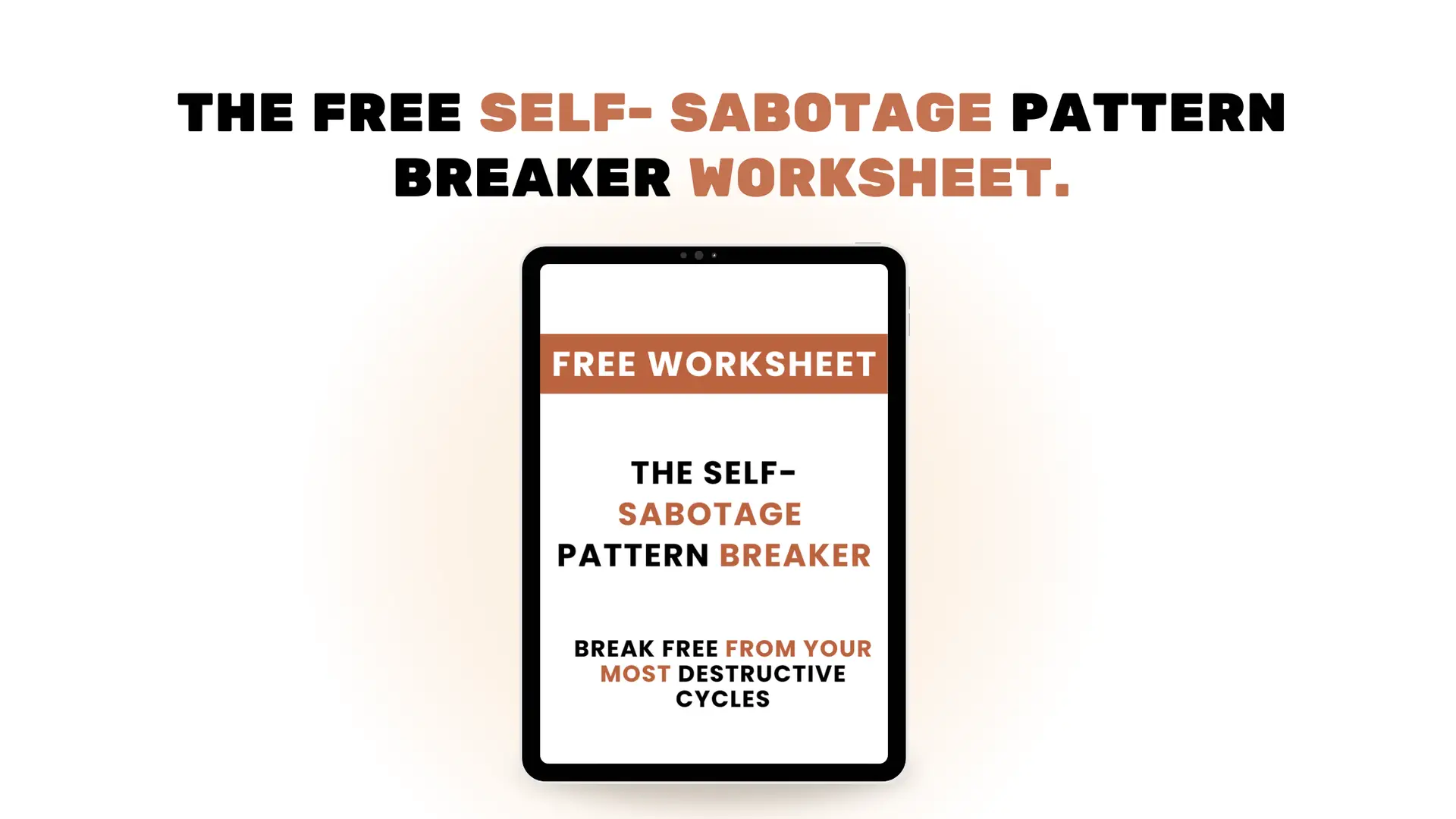
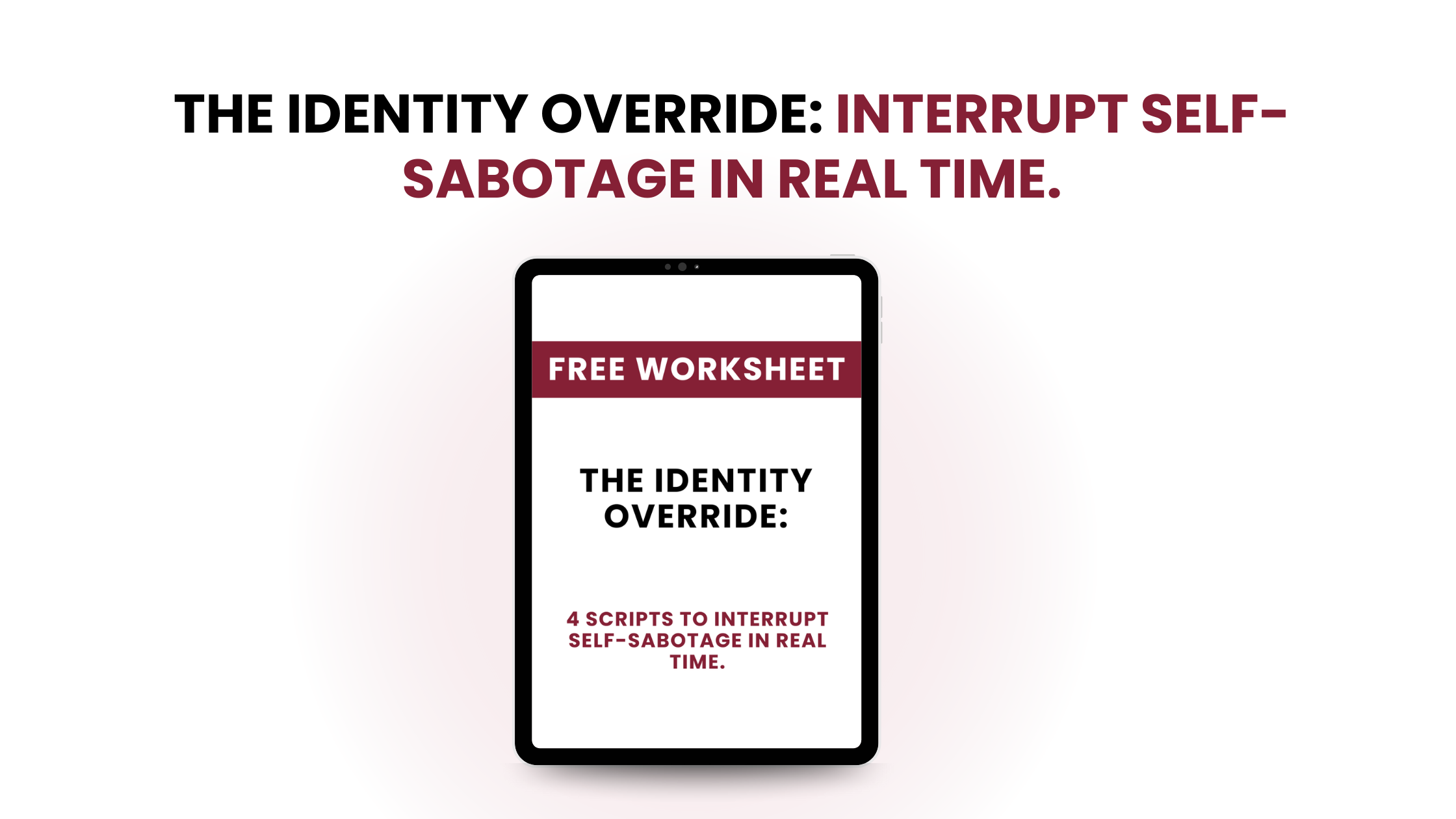
    If you’re ready to stop getting in your own way, I’ve created a free Self-Sabotage Pattern Breaker Worksheet to help you uncover and break your most destructive cycles. Download it now and start your journey toward lasting chan

    Want to go deeper into identity transformation and elite psychology? Follow me on Instagram (@expandwithjade) and TikTok (@lifewithjadeblack) for the strategies that actually shift who you are.

  • Unlock Business Success with a Simple Change in Thinking.

    Unlock Business Success with a Simple Change in Thinking.

    Revolutionise Your Business with One Powerful Mindset Shift

    If you’re tired of the same old hustle and want to revolutionise your business, it’s time to make a pivotal mindset shift. Forget the relentless focus on profit and embrace a new mantra: value over profit. Yes, you heard that right. When you prioritise delivering exceptional value, you’re not just chasing short-term gains; you’re building a sustainable, thriving business that stands the test of time.

    Value Over Profit: The Game-Changer You Need

    Let’s be real. Focusing solely on profit can lead to short-sighted decisions. You might find yourself cutting corners, pushing hard sales tactics, and neglecting your customers’ needs just to see an immediate boost in revenue. But here’s the kicker: that approach is exactly why you’re not where you want to be.

    Imagine this: every piece of content you put out there, every Instagram story or live session you do, is like speaking at a public event with a six-figure paycheck attached to it. Now, wouldn’t you put in the extra effort if that were the case? Of course, you would! So, why not bring that same level of commitment to everything you do in your business?

    Building Trust and Loyalty Through Value

    Shifting your focus to delivering unparalleled value means truly understanding your customers’ needs, solving their problems, and exceeding their expectations. When you consistently provide value, you build trust, loyalty, and a strong reputation. You cultivate a drive to make a real difference rather than just making bank.

    Your decisions aren’t supposed to yield immediate results. Sure, sometimes you might hit a quick win, but that’s not the goal. The aim is to strengthen the foundation of your business so that when you do make bank, it’s big bank, and it’s sustainable.

    Strategic Patience Over Quick Wins

    Every successful entrepreneur knows that building a sustainable business isn’t about quick wins. It’s about making strategic decisions that lay the groundwork for future success. When you focus on strengthening your foundation, you create a business that can weather any storm and thrive in the long run.

    Key Strategies for Long-Term Success:
    1. Invest in Building Stronger Relationships: Whether it’s with clients or your online community, these connections are the backbone of your business. They will support you through thick and thin. The deeper the relationship, the more loyal your customer base becomes.
    2. Focus on Quality: If you want to create trust and loyalty, prioritise high standards in your products, services, and customer interactions. A commitment to quality builds a reputation that keeps customers coming back for more.
    3. Keep Your Eyes on the Big Picture: Always have your long-term vision at the forefront. This vision will guide your decisions and keep you aligned with your ultimate goals, ensuring that you’re not swayed by the lure of short-term gains.
    4. Prioritise Resilience and Adaptability: Building a strong foundation means being prepared for challenges and committed to the long game. Embrace change and stay flexible to navigate whatever comes your way.

    The Long Game: Why It’s Worth It

    Playing the long game isn’t just about survival; it’s about thriving. When you focus on delivering value, you create a business that’s not only profitable but also fulfilling. You’re not just another company trying to make a quick buck; you’re a brand that people trust, love, and return to.

    This approach doesn’t just benefit your customers; it benefits you too. When you’re not constantly stressed about hitting short-term targets, you can focus on innovation, creativity, and growth. You have the freedom to experiment, take calculated risks, and invest in areas that truly matter.

    How to Implement This Mindset Shift
    1. Reevaluate Your Business Goals: Are your current goals focused solely on profit? If so, it’s time to re frame them. Shift your focus to customer satisfaction, product quality, and community building.
    2. Audit Your Customer Experience: Take a hard look at your customer interactions. Are you truly adding value, or just trying to close the next sale? Identify areas where you can improve and implement changes that prioritise customer needs.
    3. Create Value-Driven Content: Your content should educate, inspire, and provide solutions to your audience. It’s not about selling; it’s about establishing your brand as a trusted resource.
    4. Engage Authentically with Your Audience: Whether it’s through social media, email, or face-to-face interactions, show genuine interest in your audience’s needs and challenges. Build a community, not just a customer base.
    5. Focus on Continuous Improvement: Never settle. Always look for ways to enhance your products, services, and customer experience. Stay ahead of the curve and set the standard in your industry.
    The Benefits of Value-Driven Business

    The benefits of adopting a value-driven approach are immense. Not only do you build a loyal customer base, but you also create a positive brand image. Word-of-mouth marketing becomes your best friend as satisfied customers share their experiences, drawing more people to your brand.

    Moreover, when you’re not fixated on the bottom line, you can invest in your team, fostering a positive workplace culture. Happy employees lead to better customer service, which in turn leads to more satisfied customers. It’s a virtuous cycle that all starts with one simple shift in mindset.

    Making The shift

    It’s time to stop chasing quick wins and start building a business that stands the test of time. By shifting your focus from profit to value, you’re setting yourself up for long-term success. This isn’t just about making money; it’s about making a difference.

    So, next time you’re tempted to cut corners or go for the hard sell, remember this: real success comes from delivering real value. Play the long game, invest in your clients, and watch your business flourish. It’s not just a mindset shift; it’s a revolution.

    And that’s a wrap! 

  • Difficult Clients: Your Secret Weapon to Wealth

    Difficult Clients: Your Secret Weapon to Wealth

    The Surprising Benefits of Working with Unaligned Clients

    Tell me you’ve got unaligned clients, and I’ll tell you you’re on the path to becoming rich. Sounds counterintuitive, right? Most people think success comes from working only with your ideal clients—the ones who get you, value you, and fit seamlessly into your business. But what if I told you that the real magic happens when you’re tested by clients who are unaligned, difficult, or downright challenging? These clients push you in ways that align clients never will. They force you to grow, sharpen your leadership skills, and refine your emotional intelligence. Ultimately, they are your secret weapon to future wealth. Let’s break down why unaligned clients are crucial for your personal and professional growth.

     
    Growth Through Challenge

    Growth rarely happens in comfort zones, and the same applies to entrepreneurship. Unaligned clients challenge you to think creatively, adapt quickly, and solve problems that you never anticipated. This is where real growth happens. It’s easy to manage clients who are aligned with your values and vision, but the growth you need to scale your business comes from handling the difficult ones.

    These clients push your boundaries, forcing you to develop better systems, processes, and communication strategies. They compel you to set firmer boundaries, refine your offerings, and adjust your leadership approach. Working with clients who don’t align perfectly with your business vision requires you to be more flexible and resourceful, sharpening the skills you’ll need to handle any situation that comes your way.

    Key takeaway: Unaligned clients create an environment of growth. By navigating their challenges, you learn how to adapt your business model, strengthen your boundaries, and become more resilient, which ultimately leads to a stronger and more efficient operation.

     
    Skill Refinement: Negotiation and Communication Mastery

    Dealing with unaligned clients forces you to refine your negotiation and communication skills. These clients may not easily align with your processes, which means you need to be more assertive, clear, and diplomatic when communicating your boundaries, expectations, and terms.

    Learning to communicate effectively with difficult clients enhances your ability to handle conflict with grace. You start to recognise the patterns in client behaviour and quickly adapt to diffuse situations before they escalate. You also become adept at spotting potential red flags early on—before you onboard a client—making it easier to filter out prospects that may cause friction down the line.

    Key takeaway: Unaligned clients help you master communication and negotiation skills that will serve you in all areas of your business. This expertise will make you a more effective leader and give you the confidence to handle any client, no matter how challenging.

     
    Mindset Shift: From Obstacles to Opportunities

    Every unaligned client holds up a mirror, reflecting areas where you need to strengthen your mindset and resilience. These clients are more than just challenges—they are opportunities for you to grow mentally and emotionally. Instead of viewing these interactions as setbacks, you learn to re-frame them as opportunities for growth.

    Difficult clients test your patience, resilience, and ability to maintain a positive outlook even in tough situations. Over time, you develop a mindset that sees obstacles as stepping stones rather than roadblocks. This shift in perspective is crucial as you scale your business. The higher you climb, the more complex your challenges will become. Being able to handle those challenges with grace and optimism is what will set you apart as a true leader.

    Key takeaway: Unaligned clients offer a powerful mindset shift. They help you develop resilience, emotional regulation, and the ability to see challenges as opportunities for growth, not setbacks.

     
    Clarity in Your Niche: Understanding Who You Don’t Want to Work With

    One of the most valuable lessons unaligned clients teach you is clarity. They show you exactly who you don’t want to work with, which is just as important as identifying your ideal clients. When a client doesn’t align with your values, work style, or business model, it becomes crystal clear what types of clients will. This clarity is invaluable for fine-tuning your niche and refining your marketing strategies.

    Through these challenging interactions, you gain a deeper understanding of your core values and what your business truly stands for. This clarity allows you to craft a stronger, more authentic brand message that speaks directly to your ideal audience. The more you know about who you don’t want to work with, the more effectively you can attract the right clients who align with your vision.

    Key takeaway: Unaligned clients provide valuable clarity on your niche. By learning who you don’t want to work with, you can focus more effectively on attracting clients who truly align with your business and values.

     
    Strengthening Emotional Intelligence

    Emotional intelligence (EI) is a critical skill for any entrepreneur, and nothing sharpens it faster than dealing with difficult clients. Navigating complex interactions requires heightened emotional awareness, emotional regulation, and empathy.

    Working with unaligned clients tests your emotional intelligence by forcing you to balance your emotions with your logic. You can’t afford to let your frustration get the best of you, and you must learn to manage both your emotions and the emotions of the client. This skill is essential when scaling your business and leading teams because it allows you to handle difficult situations with grace and poise.

    Key takeaway: Unaligned clients are your emotional intelligence boot camp. They teach you how to regulate your emotions, stay composed in high-pressure situations, and develop empathy—all of which are essential for effective leadership.

     
    Enhanced Leadership Skills

    At the core of every successful entrepreneur is a great leader. But great leaders aren’t made in times of ease—they’re made in the trenches of difficulty. Unaligned clients give you the opportunity to hone your leadership skills by putting you in situations where you have to lead with confidence, set clear boundaries, and make tough decisions.

    Handling unaligned clients also helps you become more self-aware as a leader. You begin to understand the areas where you excel and the areas where you need improvement. This self-awareness strengthens your leadership capabilities and empowers you to guide your team or clients with confidence, clarity, and compassion.

    Key takeaway: Unaligned clients are an opportunity to elevate your leadership. They push you to lead more effectively, with clear boundaries and confident decision-making.

     
    Personal Growth and Self-Improvement

    Navigating the complexities of unaligned clients does more than improve your business—it improves you as a person. Every difficult interaction is a lesson in patience, self-control, and personal development. The growth you experience from these situations transcends business; it shapes who you are as a leader and individual.

    When you face challenges head-on, you start to develop a deeper understanding of your strengths and weaknesses. This self-awareness allows you to become not only a better entrepreneur but also a more grounded and emotionally resilient person. These qualities are key to building a successful, sustainable business that can weather any storm.

    Key takeaway: The challenges posed by unaligned clients offer a unique opportunity for personal growth, helping you develop into a more resilient and self-aware entrepreneur.

     
    The Long-Term Payoff

    It’s important to note that while unaligned clients can be a catalyst for growth, you don’t need to seek them out indefinitely. The goal isn’t to constantly work with difficult clients but to use the experiences they provide as opportunities to strengthen your business and leadership.

    In the long run, the lessons learned from unaligned clients will empower you to build a more robust, successful business. You’ll have a clearer sense of who your ideal clients are, stronger systems in place, and the emotional intelligence to handle any challenge that comes your way. As a result, you’ll attract higher-quality clients, create more impact, and ultimately, grow your business to new heights.

    Key takeaway: While you don’t need to actively seek out unaligned clients, the lessons they teach will equip you with the tools to attract better clients and build a thriving, scalable business.

     
    Embrace the Growth That Comes With Unaligned Clients

    Unaligned clients may not be easy, but they are one of the most powerful catalysts for growth you’ll ever encounter. From refining your communication skills to developing a resilient mindset, these clients offer you opportunities to improve in ways that aligned clients never could.

    Remember, the road to success isn’t always paved with ease. Sometimes, the greatest lessons come from the most challenging situations. So, the next time you’re faced with an unaligned client, embrace the experience. It’s through these challenges that you’ll transcend your limitations, enhance your leadership skills, and build the foundation for a more successful and impactful business.

    The question is: are you ready to grow?


Step Into Your Next Level Identity

Sign up to my email list for Insider strategies + exclusive member discounts when you join.